
Overview
Before you invest, know if it works. Turning Point has delivered feasibility studies for private developers, institutions and NGOs across Kenya — turning raw land and rough ideas into viable, financeable projects with clear numbers and a defensible plan.
What is Feasibility Studies?
A feasibility study tests whether a proposed project is technically buildable, legally permissible, environmentally sound and financially viable — so decisions are made on evidence, not assumptions.
Selected work
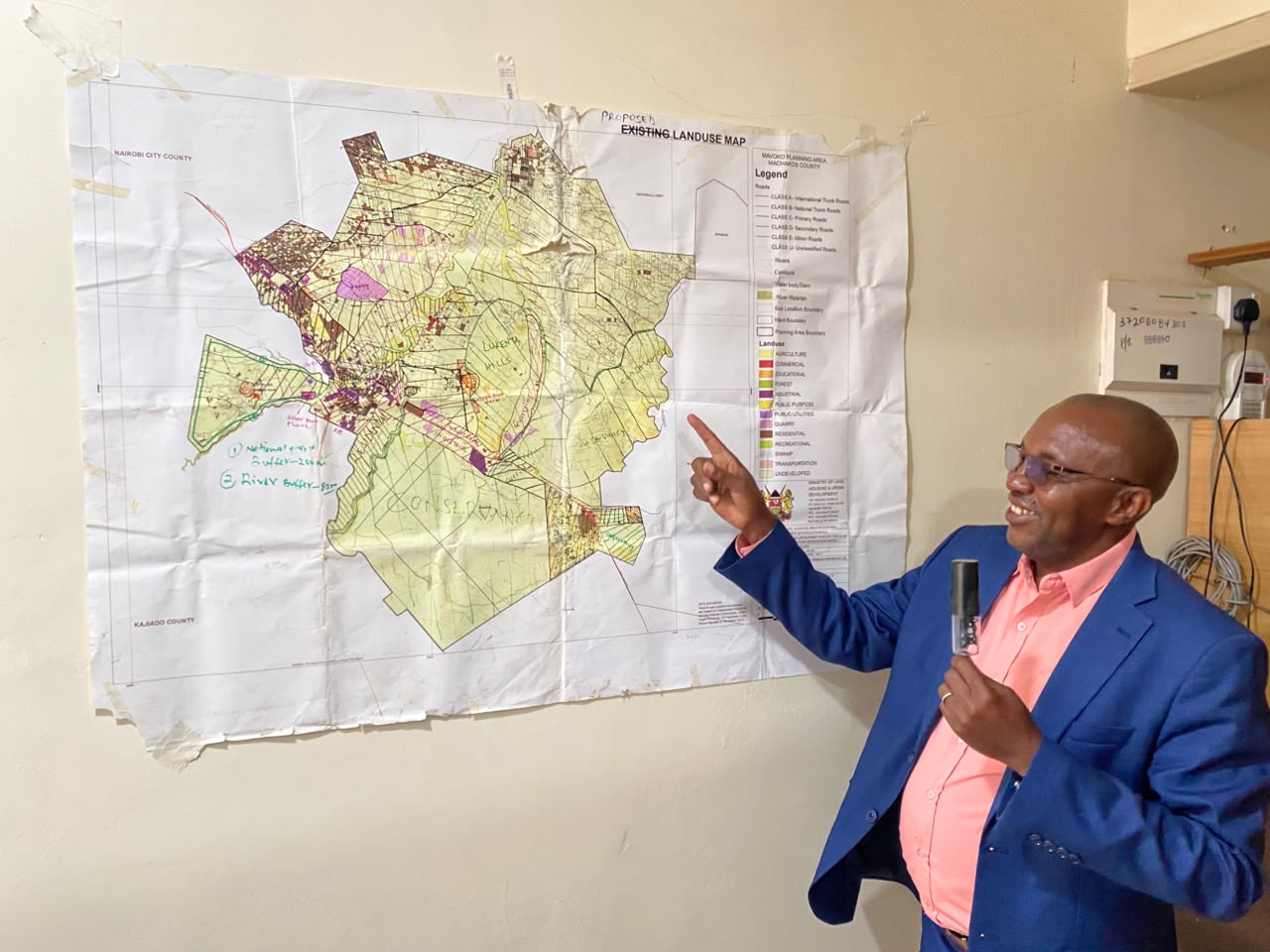
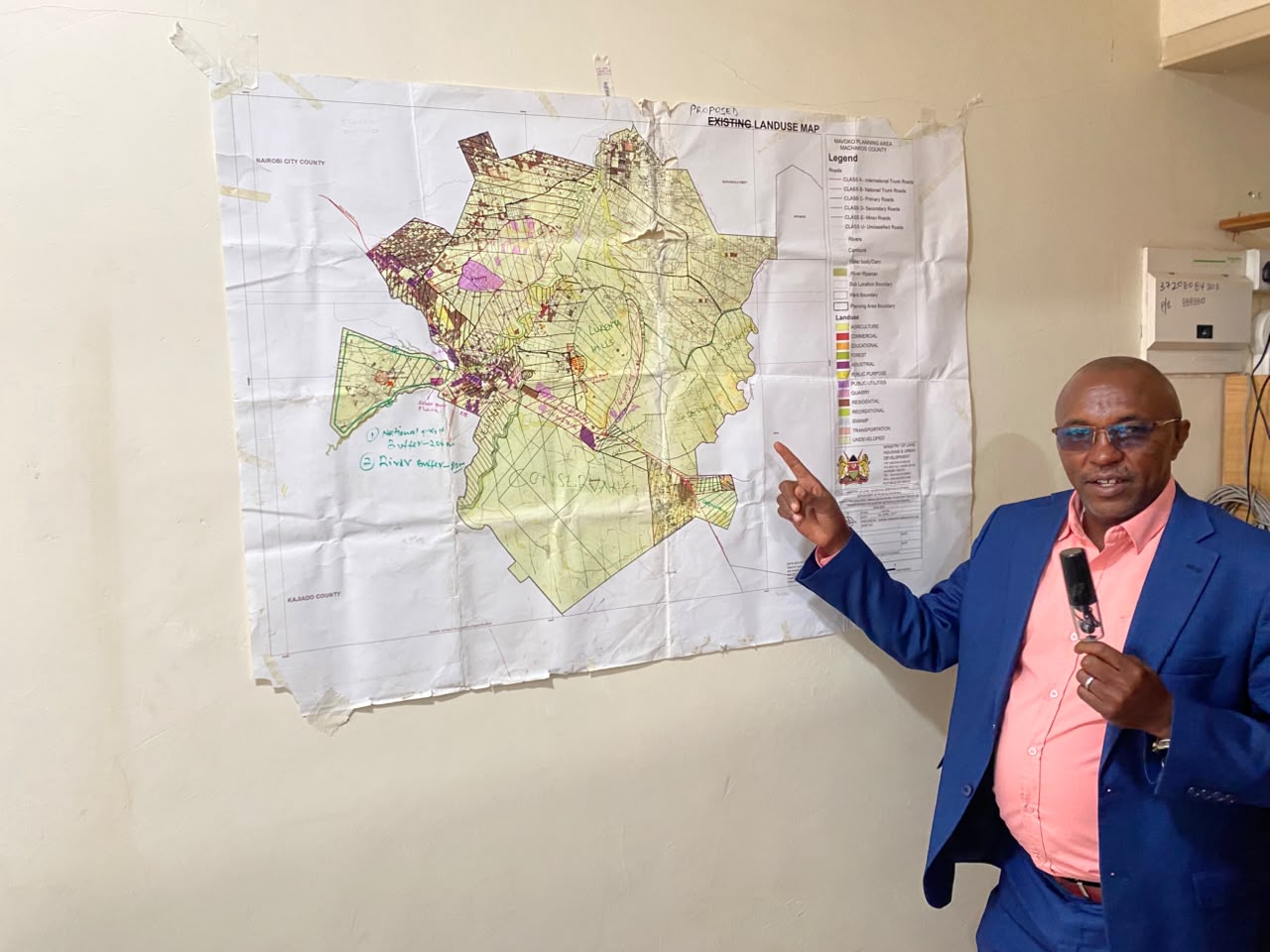
What we deliver
- Physical planning approval requirements
- Environmental and social assessment
- Site analysis and suitability
- Preliminary engineering designs
- Cost estimates and financial model
- Risk register and mitigation
- Implementation schedule
- Investment appraisal (NPV, IRR, payback)
Regulatory framework
- Physical and Land Use Planning Act, 2019
- EMCA and NEMA guidelines
- County zoning and development regulations
FAQ
What kinds of projects have you studied?+
Civic wellness sanctuaries (Narok, Nanyuki, Ndauni for INUKA Kenya Ni SISI!), a 30-acre school in Kajiado (Morage Ventures), mixed-use change of use in Naivasha (private hospital, apartments, supermarket), 28–36 town houses in Juja (Wamutu & Associates) and godowns in Thika (Movitech Limited).
How long does a feasibility study take?+
Typically 4–10 weeks depending on site size, data availability and the depth of engineering and financial modeling required.
Will the report be bank-ready?+
Yes — our studies include the financial model, risk register and investment appraisal that lenders and investors expect.